Mobile App Development
Native and cross-platform mobile apps for products where the phone is where the actual usage happens.
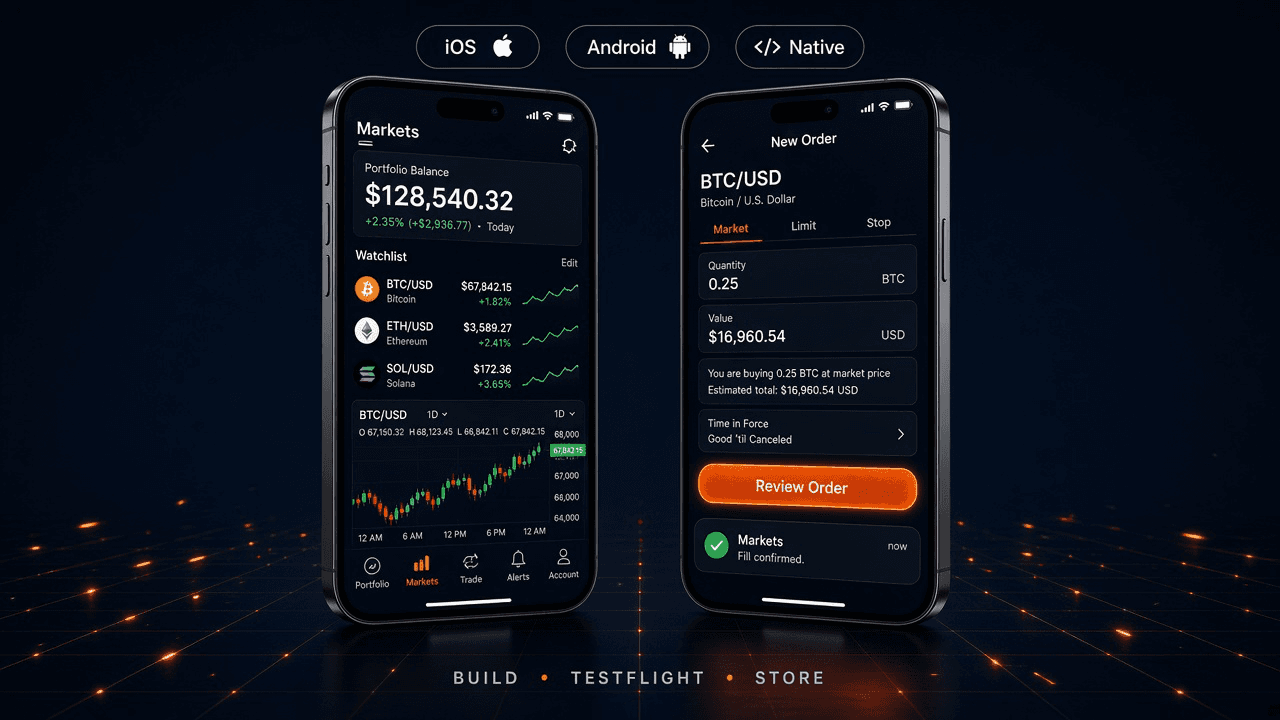
A mobile app built by a different vendor than the one running the backend is a coordination problem wearing a product's clothes. The API changes and nobody updates the app in sync; a bug report bounces between two teams pointing at each other; the web product and the app slowly drift into two different versions of the same business.
For products where the phone is the primary surface — trading, field operations, anything used on the move — that drift isn't cosmetic. A stale app is lost usage, and lost usage on mobile is often the majority of a product's actual traffic.
Most "we'll add an app later" plans underestimate how much of the architecture (auth, offline behaviour, push delivery) needs to be considered from day one, not retrofitted once the web product already exists.
Algotrax builds mobile as part of the same product, with the same team that owns the backend — so the app and the API it depends on never drift apart.
What's included
Cross-platform app development (single codebase, iOS + Android)
Native development where performance or platform APIs demand it
App Store and Play Store submission, including dual-store billing setup
Push notifications, offline support, and background sync where the product needs it
The same backend/API team building the app, not a handoff to a separate vendor
How it actually runs
Platform decision
Cross-platform (one codebase, both stores) versus native, decided against what the app actually needs to do — not a default answer either way.
Architecture shared with the backend
Auth, data sync, and offline behaviour designed alongside the API, by the team that owns both — not bolted onto an API that was never meant to serve a mobile client.
Build in visible sprints
A real build you can install on your own phone every sprint, not a screen-share of a simulator.
Store submission, both stores
App Store and Play Store submission handled end to end, including the parts that trip up first-time submitters — dual-store billing, review guidelines, age ratings.
Post-launch monitoring
Crash reporting and usage data watched closely in the first weeks live, when real-device issues actually surface.
Built with
What most agencies get wrong here
Treating the app as a smaller copy of the website.
Mobile has its own interaction patterns and constraints; a web layout squeezed onto a phone screen isn't a mobile app, it's a compromise.
Ignoring offline behaviour until users complain.
Connectivity drops constantly on mobile; an app that just shows an error screen instead of degrading gracefully loses trust fast.
Underestimating store review time.
Store review timelines and rejection reasons catch first-time submitters off guard constantly — this gets planned for, not discovered at the worst moment.
Splitting the app and backend across two vendors.
The coordination tax of two teams maintaining one product shows up in every bug report and every feature request from day one.
How the engagement works
Scoped the same way as any custom build — a discovery phase first to settle platform choice and architecture, then fixed-scope sprints against a concrete plan.
Store submission and the first weeks of live monitoring are typically included in the initial engagement, since that's when real-device issues surface and matter most.
After that, ongoing app maintenance — OS updates, store policy changes, small feature requests — runs under Maintenance & Support, with the same team that built it.
Once the app ships, it stops drifting from the web product — the same team maintaining both means a backend change and its mobile counterpart land together, not weeks apart.
Getting started means a short conversation about what the app actually needs to do on a phone that the web product can't — that's what decides the platform and scope.
Tell us where mobile app development fits in, and we'll reply within a day.
- A real person reads this, not a queue
- No discovery call required to get a straight answer
- Tell us to go away and we will — no drip sequence
Questions worth asking first
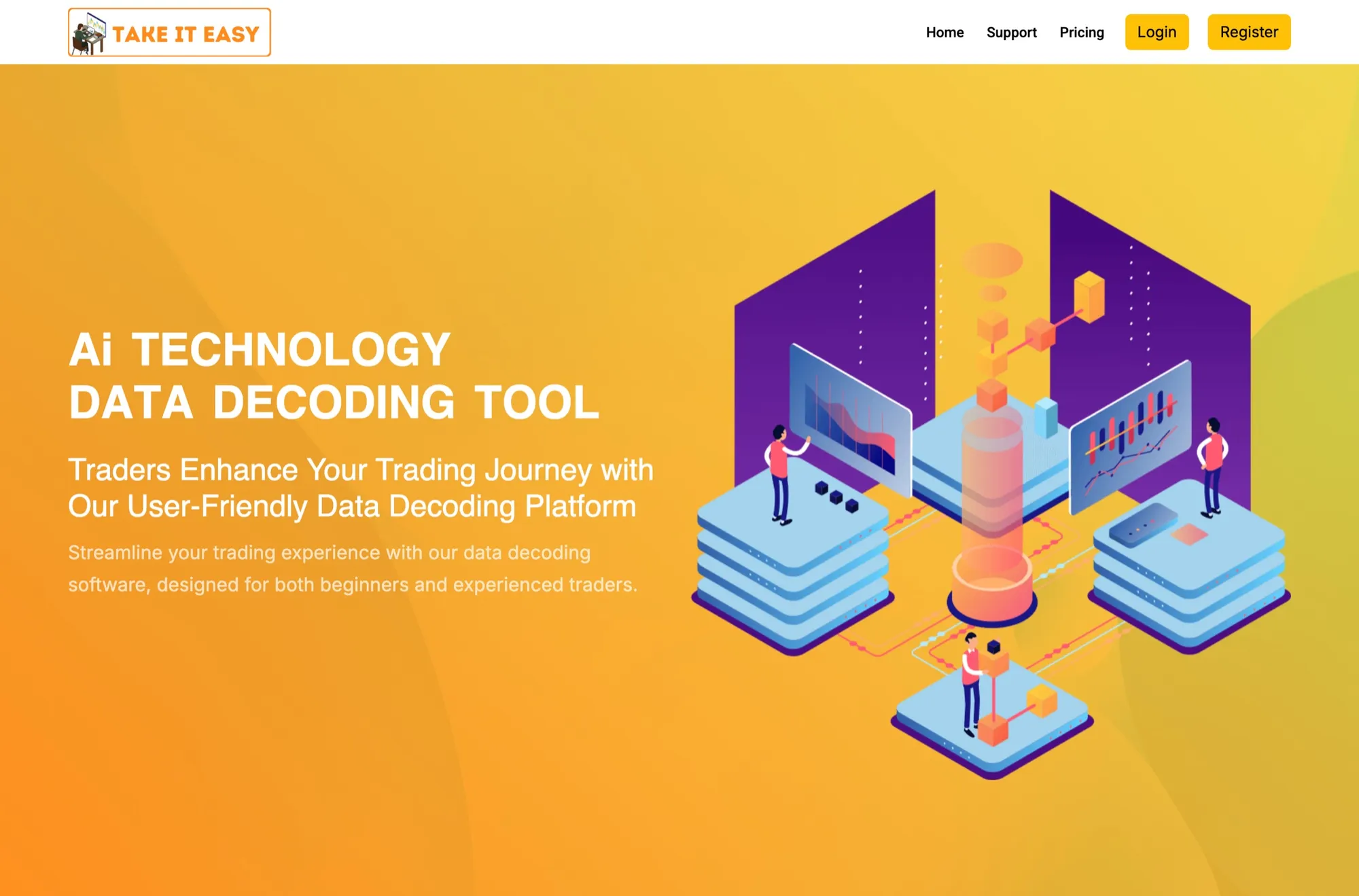
Cross-platform first, unless the app leans on something platform-specific (heavy camera/AR work, deep OS integrations) where native pays for itself. Take It Easy's trading app runs on Ionic across both stores, including dual-store billing — cross-platform holds up fine even for a data-heavy trading product.