Software Development
Product engineering for companies that need software to actually run the business — not a brochure site with a login page bolted on.
Most custom software projects fail before a line of code is written. Not because the engineering is bad — because nobody spent the time understanding what the software actually needs to do for the business, so six months later the team has shipped a technically correct product that solves the wrong problem.
The symptoms show up everywhere: a founder who can't get a straight answer about when a feature will ship, an ops team working around a system instead of through it, a roadmap that's really just a backlog of whatever the loudest stakeholder asked for last. None of that is a technology problem. It's what happens when software gets built without anyone accountable for whether it actually works.
Algotrax runs software development as a product discipline, not a service ticket queue. The same team that scopes the problem writes the code, ships it, and stays on the hook after launch — so there's no handoff where context gets lost and no incentive to pad the build with work that doesn't matter.
That's the difference between software that ships and software that runs the business.
What's included
Product discovery and technical scoping before a line of code is written
Full-stack web application development (frontend, backend, database, infra)
API design and integration with existing business systems
Internal tools and admin systems for ops, sales, and field teams
Ongoing iteration post-launch, not a one-time handoff
How it actually runs
Discovery & scoping
Two weeks understanding what the business actually needs before any commitment to build — your workflows, your existing systems, the constraint that makes this hard. Most of what looks like a software problem turns out to be a process problem hiding behind one.
Architecture & technical plan
Data model, integrations, and infrastructure decided before a line of interface code exists. The parts that are expensive to change later — auth, data ownership, how systems talk to each other — get decided first, deliberately, not by default.
Build in two-week sprints
Working software, not slideware — every sprint ends with something you can click through, not a status update. You see the product taking shape from week one, not month three.
QA against real use, not a checklist
Testing built around how your team will actually use the software, on the devices and browsers they actually use, not a generic pass before ship.
Launch, then stay
The team that built it owns the first weeks live — watching real usage, fixing what breaks, and turning the backlog of 'later' into a real roadmap.
Built with
Proof, not adjectives
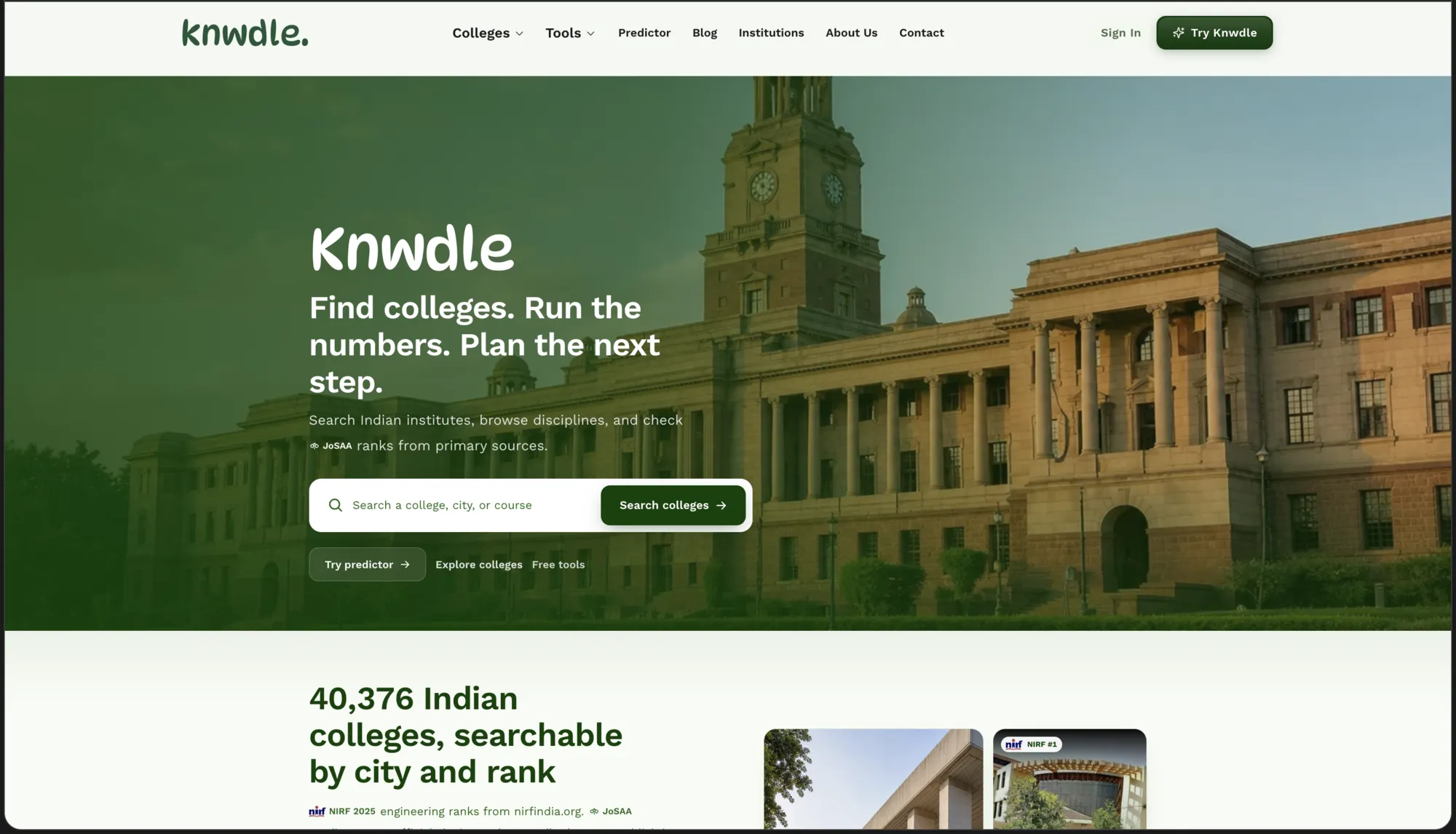
Knwdle
A multi-tenant education platform and a public college-discovery surface, built and run as one system.
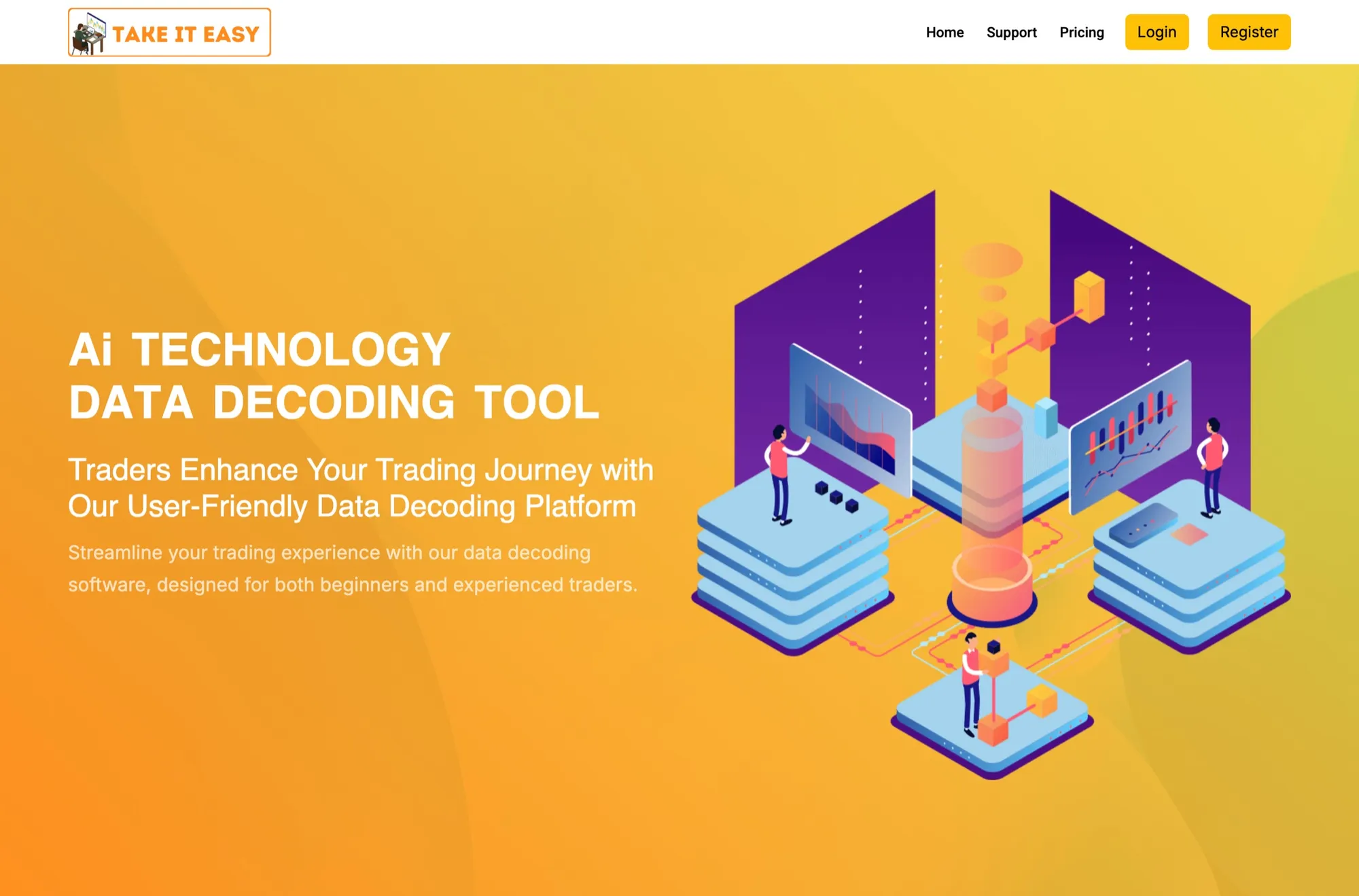
Take It Easy
A trading-analytics platform for Indian retail traders — marketing site, web terminal, mobile app and API, built and maintained end to end.

Dholera Pratham
Five applications for one real-estate firm: public site, admin CMS, API, a mobile app for the sales team, and a Windows desktop app for deal management.
What most agencies get wrong here
Quoting off a feature list, not a problem.
Most agencies price what you asked for, not what you need — so you pay for features that don't matter and discover the ones that do six weeks in.
Treating launch as the finish line.
A build that's "done" the day it ships is a build nobody's testing against real usage. The bugs and gaps that matter only show up once real people are using it.
Rotating the team between phases.
Discovery is one team, build is another, support is a different vendor entirely — and the context that mattered in week one is gone by week twelve.
Building for the demo, not the workflow.
Software that looks right in a sales pitch and falls apart under the actual, messy way your team works day to day.
How the engagement works
Every engagement starts with a scoped discovery phase — typically one to two weeks — before either side commits to a build estimate. You get a real plan: architecture, milestones, and a number, not a guess dressed up as a quote.
From there, most builds run as fixed-scope sprints against that plan, billed in stages tied to shipped milestones, not hours logged. Larger or open-ended platforms — where the roadmap will keep evolving after launch — run as a retainer instead, with the same team staying on rather than rotating in a new one for every phase.
Either way, you own the code, the infrastructure, and the decision to keep working with us or not — there's no lock-in structured into the contract.
Once this is running, the roadmap stops being a guess — features ship on a cadence the business can plan around, because the team that scoped the problem is the same one building and supporting it months later.
Getting started is a short call, not a sales process: describe the problem, and we'll tell you honestly whether it's a software problem at all before anything gets scoped.
Tell us where software development fits in, and we'll reply within a day.
- A real person reads this, not a queue
- No discovery call required to get a straight answer
- Tell us to go away and we will — no drip sequence
Questions worth asking first
Web is the core of this practice — product platforms, dashboards, and internal tools. Native mobile and desktop apps are handled under Mobile App Development and cited case work (Dholera Pratham ships a Windows desktop app alongside its web platform).